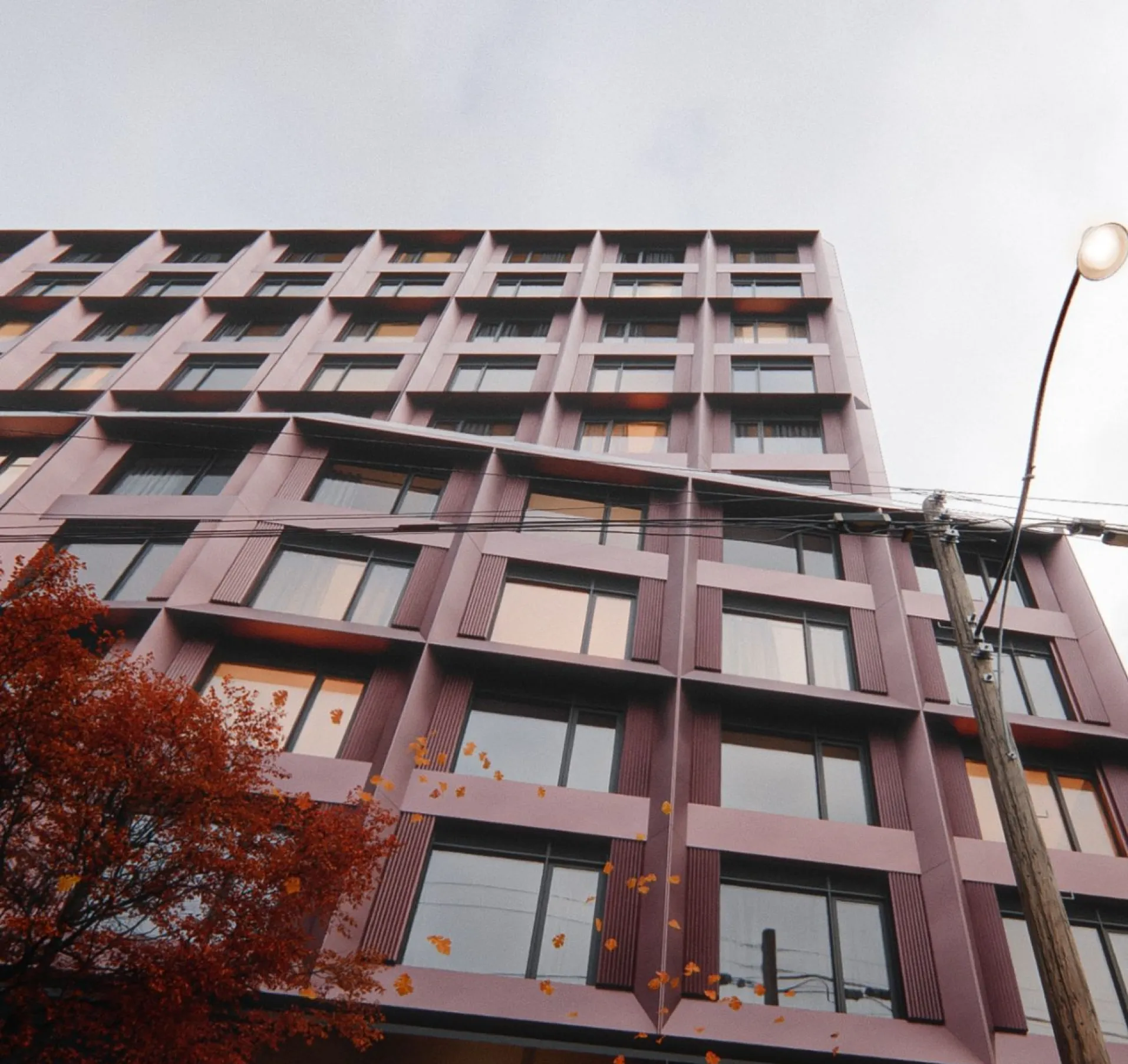
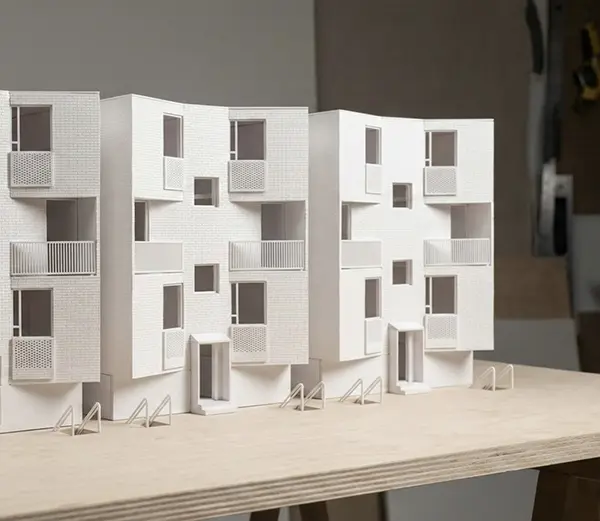
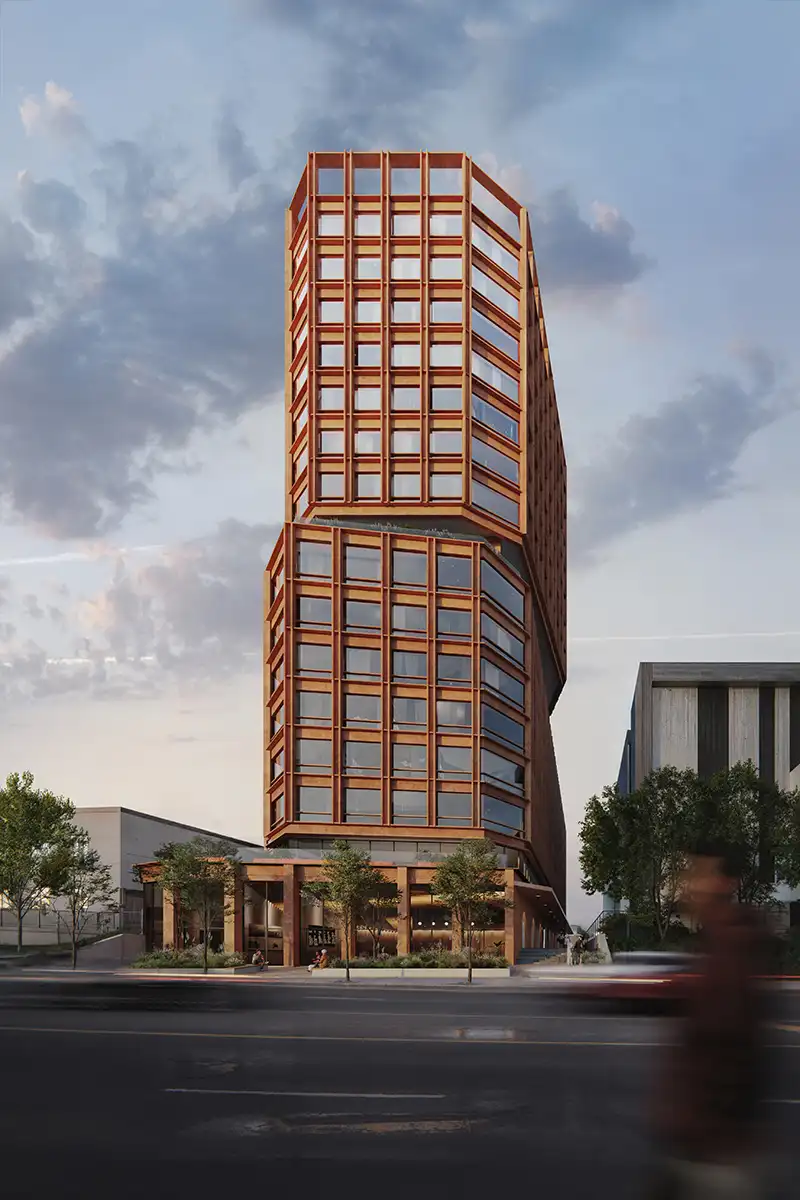
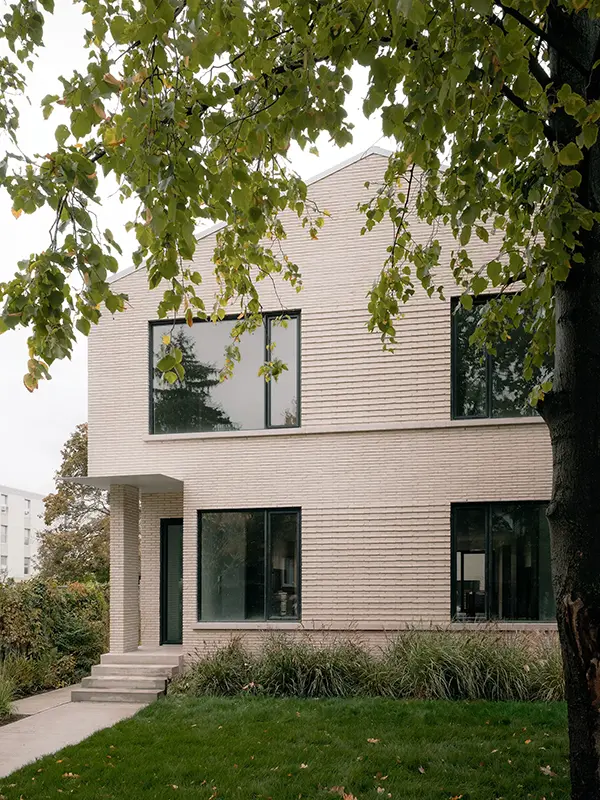
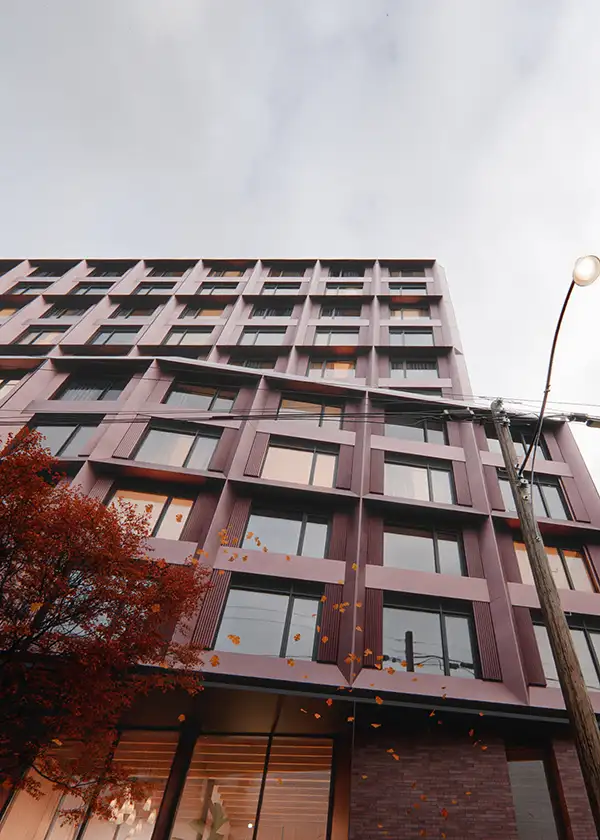
A key focus of the studio’s research is the development of new modes of constructing multi-unit housing through prefabrication. By integrating architectural design with advanced manufacturing processes, the practice explores how prefabricated building systems can transform the delivery of housing. Prefabrication allows buildings to be conceived as coordinated assemblies of components rather than as purely site-built structures, enabling greater precision, reduced construction timelines, and improved quality control. For Gabriel Fain Architects, prefabrication is not simply a question of efficiency; it is an opportunity to rethink the architectural language of housing, allowing new structural and spatial systems to emerge from the logic of industrialized construction.
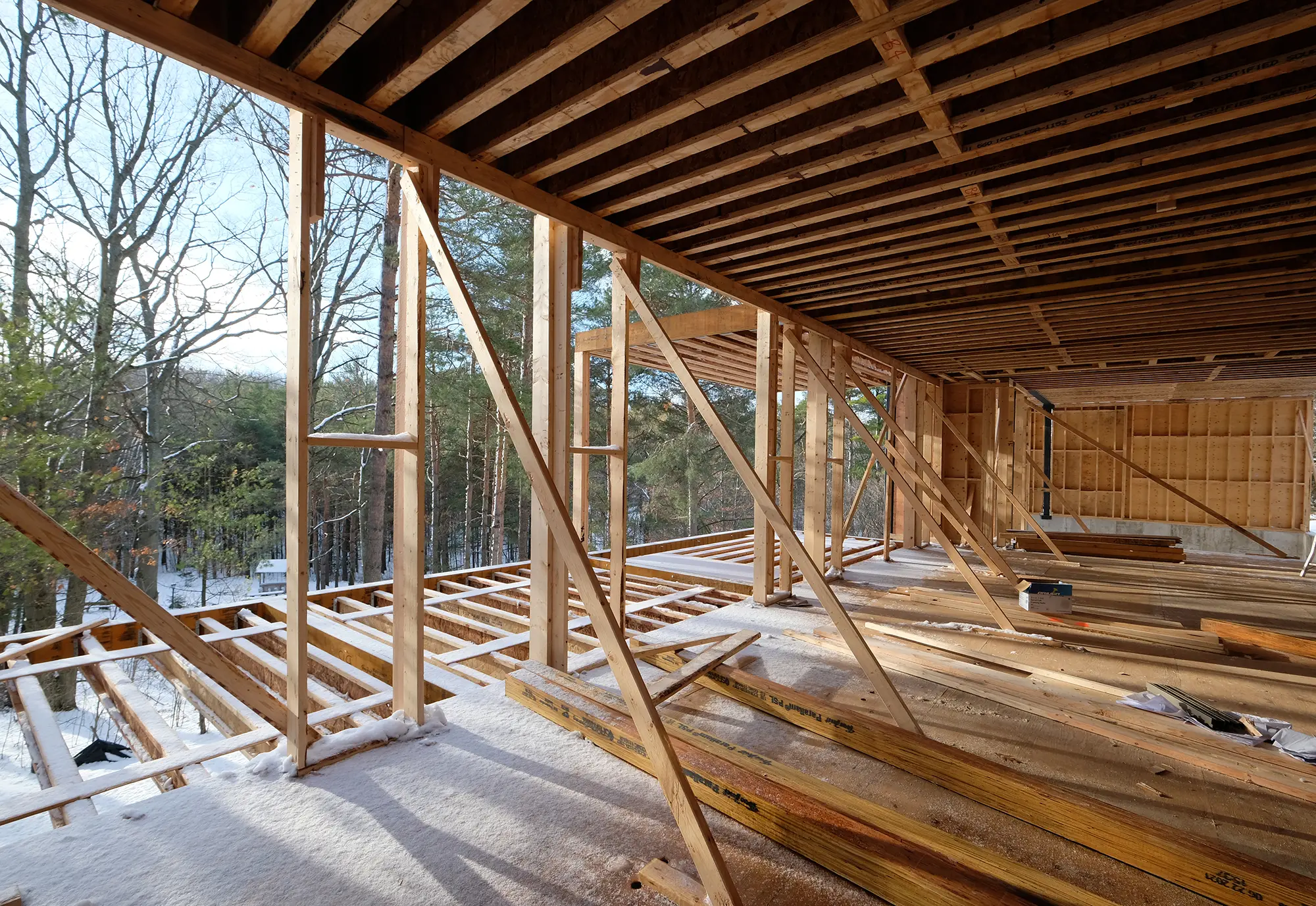
Sustainability is approached as both a technical and cultural question, particularly through the use of wood construction for multi-unit housing. The studio actively explores the architectural potential of light-frame and mass-timber systems as alternatives to conventional concrete construction. Wood offers significant environmental advantages through its capacity for carbon storage, reduced embodied energy, and compatibility with prefabricated building methods. At the same time, timber construction introduces new possibilities for spatial warmth, structural clarity, and material expression. By advancing wood-based structural systems across a range of housing typologies, the practice seeks to contribute to a more sustainable and materially conscious urban architecture.